Start here
Royal dining evening in Beijing: worth it, or a tourist trap?
What the courtyard dinner and stage show actually are, where the royal story is history and where it is theme, and who will enjoy the night.
Reserve my table ↗Quick answer
Worth it as a themed night, not as a history lesson or a serious meal. The booking page describes a courtyard dinner with a staged Chinese cultural performance, an optional costume and make-up service at extra cost, and two hours in all. It scores 4.4 from about 60 reviews. The "royal" part is a theme: the palace is real, the feast legend is disputed, and the evening is staged for visitors.
The evening at a glance
| Royal dining evening | |
|---|---|
| Format | A courtyard dinner with a staged cultural performance by many actors |
| Setting | A courtyard the booking page puts about a kilometre from the Forbidden City |
| Length | Two hours, per the booking page |
| Dress-up | Optional costume and make-up, basic and advanced levels, extra cost |
| Notice | Book 24 hours ahead; the confirmation comes by email |
| Menu | Not listed, so none is promised here |
| Score | 4.4 on GetYourGuide, about 60 reviews |
| Best for | Couples, friends and dress-up fans who want a themed night |
| Not for | Anyone after a serious meal or a faithful court reconstruction |
Quick verdict
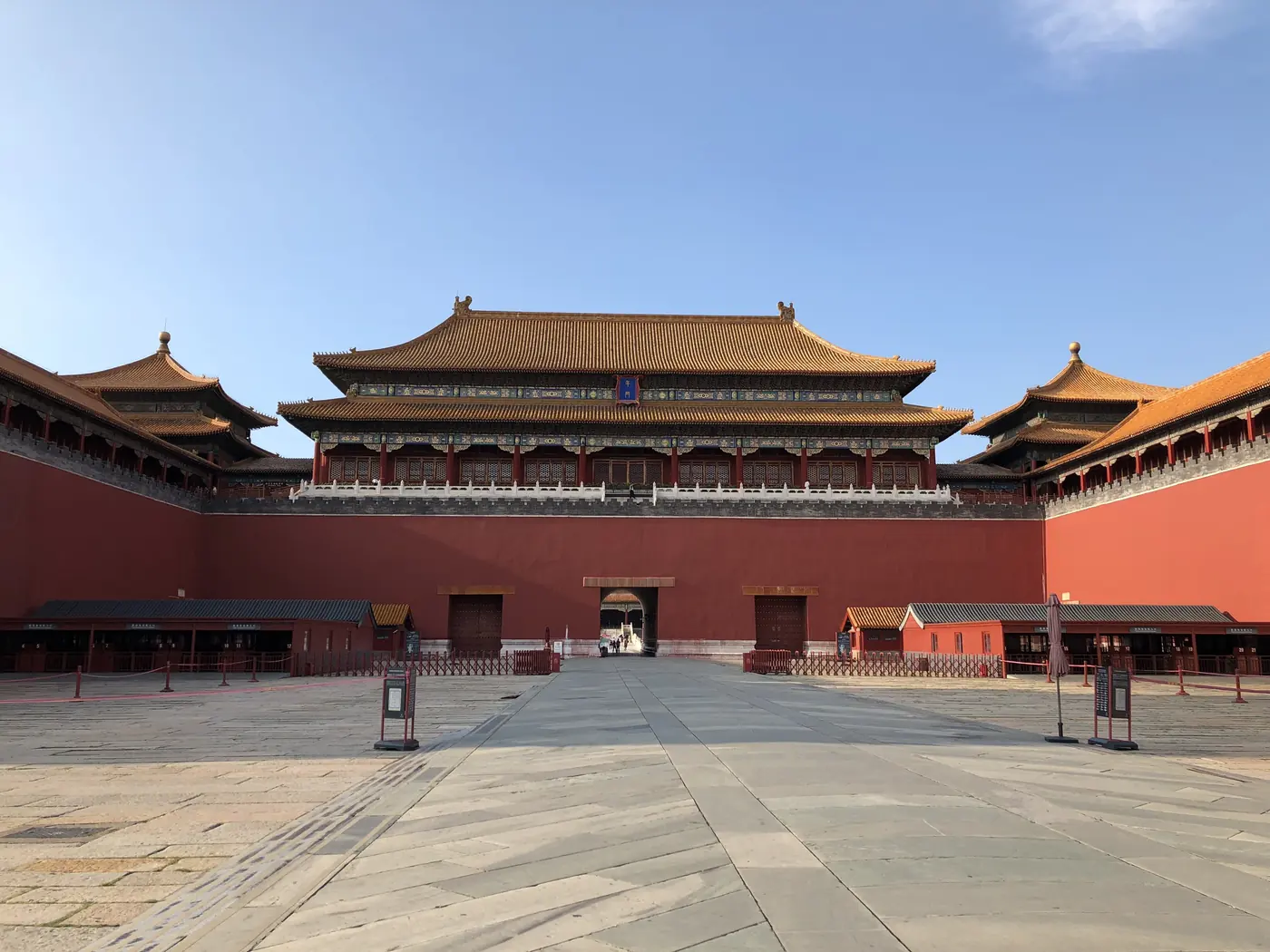
Book it for the atmosphere: a courtyard dinner, a stage performance with many actors and, if you want it, a robe and make-up. Skip it if you are after a serious meal or the real palace. A score of 4.4 from about 60 reviews is good but thin, so a few bad evenings could move it. The history around the evening is richer than the show, so the sections below treat them separately.
What the booking page describes
It describes a dinner in a courtyard that it places about a kilometre from the Forbidden City, while a traditional Chinese cultural performance with many actors plays out using sound, light and stage equipment. The evening is listed at two hours. A costume and make-up service is optional, comes in basic and advanced levels and costs extra, and the page recommends arriving about an hour early for it. A booking needs 24 hours of notice, and the confirmation is sent by email.
A staged evening, not a court ritual
The page never offers the dinner as a recreation of what emperors did, and it would be hard to. Wikipedia says the Hall of Supreme Harmony hosted the enthronement and wedding ceremonies of Ming and Qing emperors, and that in the Qing it was kept for ceremonial use while daily court moved to the Inner Court. A courtyard show for visitors borrows the glamour of that world rather than copying any ceremony in it.
The palace the evening leans on
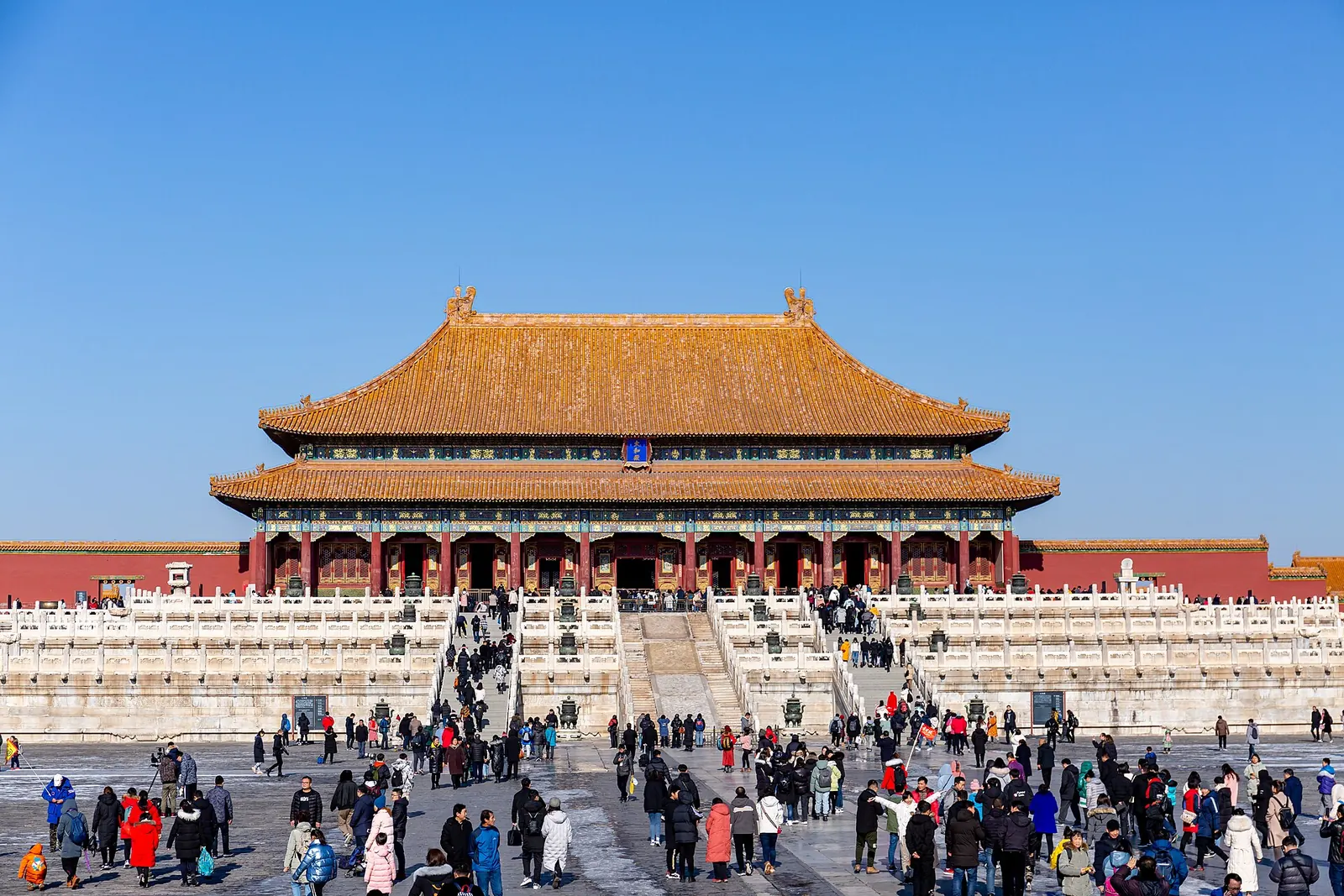
The headline number checks out: Wikipedia counts 14 Ming and 10 Qing emperors, 24 in all, who lived in the Forbidden City. It was built between 1406 and 1420, a task the same article says took 14 years and more than a million workers, and UNESCO listed it in 1987. The complex is a rectangle 961 metres from north to south and 753 from east to west, with 980 surviving buildings. The old claim of 9,999 rooms, Wikipedia adds, is not backed by survey evidence.
The imperial kitchen, and the feast legend
Court cooking was a real institution. Wikipedia’s Beijing cuisine article describes the Emperor’s Kitchen inside the Forbidden City, where thousands of cooks from different parts of China worked for the imperial family and office-holders. When the Qing took over, Manchu cooks replaced the Ming palace chefs, who were mostly from Shandong, and Manchu food led until the Qianlong emperor invited notable chefs from the south. The Manchu–Han Imperial Feast is a separate matter: Wikipedia calls it a style of cooking and grand banquet blending Manchu and Han elements, says its origins are disputed and that it was not featured at palace banquets.
The Kangxi story and the sketch theory
One legend says the Kangxi emperor held such a banquet at his 66th birthday celebration to ease disputes between Manchu and Han office-holders, with both groups at the table. Another theory, which Wikipedia also records, is that the grand feast never existed and was a comic sketch built on a long list of dishes. Either way, an evening sold as imperial is a theme, and that is fine once you know it.
Costume and make-up
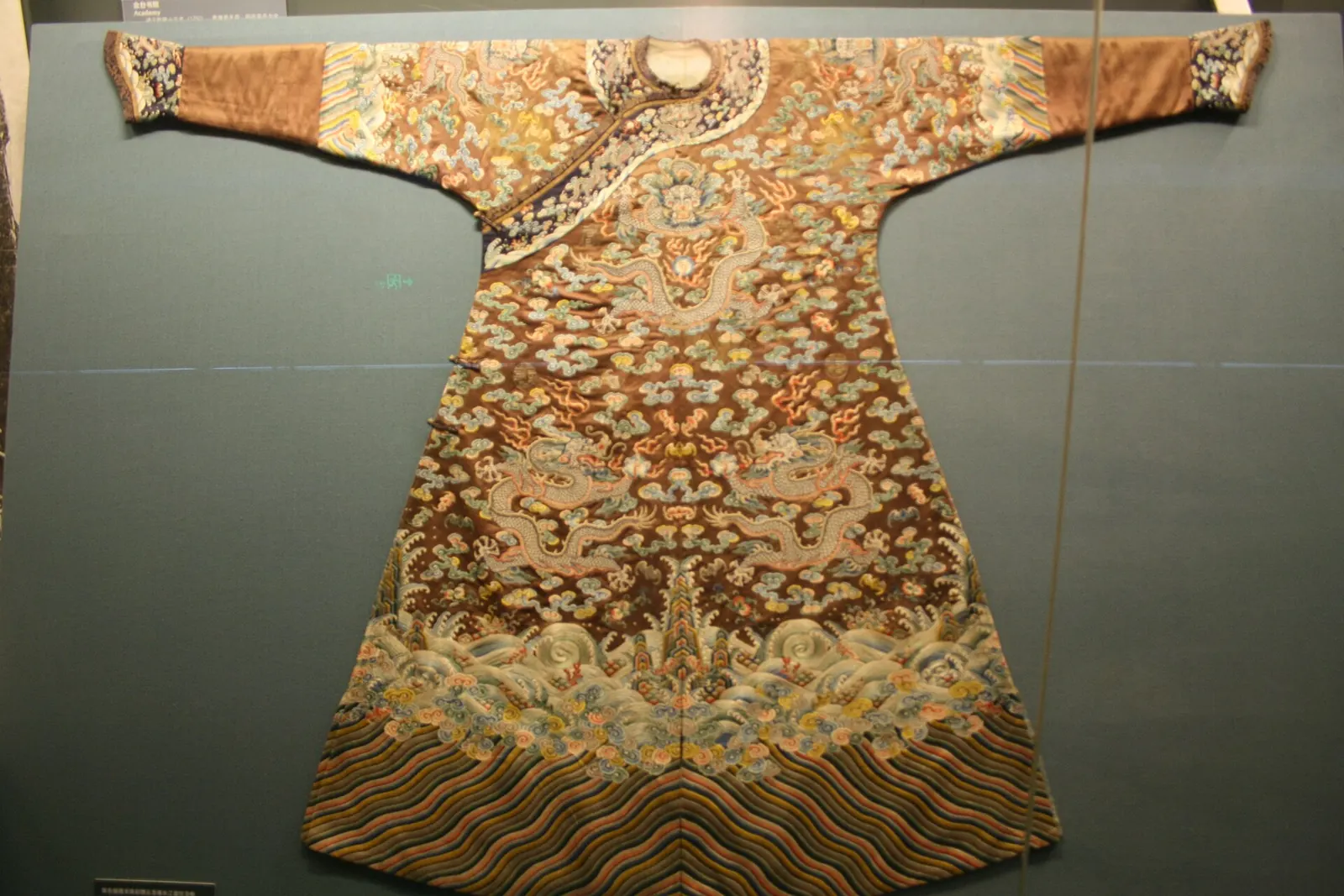
Dressing up is where the evening can pay off for people who enjoy it. The page calls the service optional, in basic and advanced levels, at extra cost, and does not say which garments are offered. Real Qing court dress was sorted by rank: Wikipedia says the longpao name applied to robes of the emperor, his consorts and the crown prince, decorated with five-clawed dragons, and that a 1636 code let the emperor and first-rank princes wear yellow robes with five-clawed dragons. A rental costume gives you the look, not the rank.
Why a courtyard
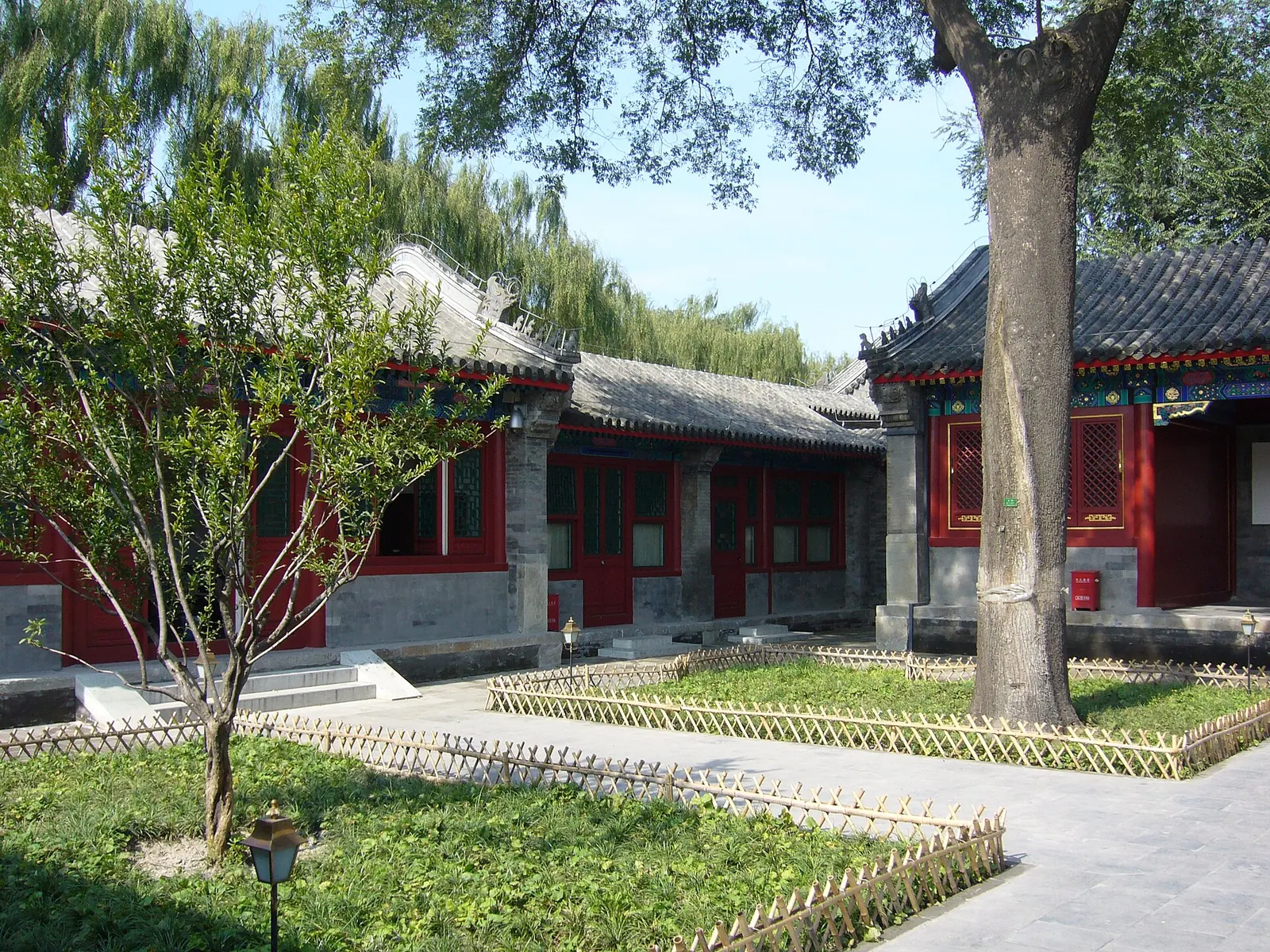
A siheyuan, Wikipedia explains, is a courtyard enclosed by buildings on all four sides, a style found across northern China and notably in Beijing, and popular in the Ming and Qing dynasties. A spacious one marked the wealth of the extended family that lived in it. The booking page says only courtyard; it gives no style, age or owner, and this guide does not guess.
The kilometre claim
The distance comes from the organiser, and this guide cannot check it, so it prints no walking or driving time. If it matters to you, put the address from your confirmation into a maps app. A guided palace walk earlier the same day should leave a gap before dinner rather than a dash across town.
Reading the rating
Four point four from about 60 reviews is a good score on a small sample, which means a handful of reviews can move it. Set it beside the palace tour in the comparison guide: 4.8 from about 7,000. They are not competing. One is a staged night, the other is the building itself.
Who it suits
Couples and friends who want a themed evening, anyone who likes costume and photographs, visitors who have already seen the palace and want a courtyard setting afterwards, and groups who would rather sit through a show than walk.
Who this isn’t for
Skip it if you want a serious or regional food night, a rigorous account of court life, or an evening with no staging at all. People who want the real palace should book the guided walk and keep the evening for something quieter. The comparison guide sets the two side by side.
Read next: The Forbidden City by day and a royal banquet by night: planning the day
Food, and what to ask
The page names no dishes, drinks or dietary options. If you have an allergy or follow a diet, ask the organiser through GetYourGuide before the date. Do not lean on a review’s description of a menu, because menus change.
How booking works
Choose the date in the calendar, pay on GetYourGuide and watch your email for the confirmation. The page asks for 24 hours of notice, so a decision on the same evening will not work.
Timing the night
Allow two hours for the dinner and show, plus about an hour beforehand if you want to dress up, according to the page. Anything beyond that depends on where you start from, and this guide gives no figure for it.
Last checks
Open the calendar and pick a date at least a day ahead. Decide on costume, save the confirmation email and ask about food if it matters to your party.
Frequently asked questions
Is the royal dining evening worth it?
As a themed night, yes: a courtyard dinner, a staged show and optional dressing-up, scoring 4.4 from about 60 reviews. As a history lesson or a food night, no.
Is it a real court banquet?
No. It is staged for visitors, and Wikipedia says even the Manchu–Han Imperial Feast has disputed origins.
Does the costume cost extra?
Yes. Basic and advanced levels are offered at extra cost, and the booking page shows the amounts.
When should I arrive?
About an hour early if you want the costume and make-up service, per the booking page; check your confirmation for the rule on your date.
How early must I book?
At least 24 hours ahead, with the confirmation sent by email.
Is the menu known?
The page gives no dishes, so this guide promises none; ask the organiser about allergies.
Sources